
For parents and other important adults

Gaming and esports are a natural part of many children’s and teenagers’ lives today. They can be a space for friendship, creativity, learning, competition and passion. At the same time, they can bring challenges around balance, well-being and online environments. This page is here to help you understand, support and navigate the gaming world together with the young people in your life.

For parents, caregivers, teachers, and other trusted adults

The positives of gaming and esports

Gaming offers real benefits for children and young people, benefits that are often underestimated by adults who didn’t grow up with it.

Social connection: friendships, teamwork and a sense of belonging.
Creativity and imagination: exploring worlds, building and problem-solving.
Learning and cognitive development: strategy, decision-making, attention and coordination.
Collaboration and communication: especially in team-based games.
Structure and motivation: esports brings routines, training, goals and reflection.
Personal growth: discipline, resilience, leadership and confidence, with the right support.
Career and educational pathways: gaming can reveal transferable skills and spark an interest in tech, design, media and beyond.

For many young people, gaming is their main hobby, the modern equivalent of a sports club, a creative outlet or a social hangout.

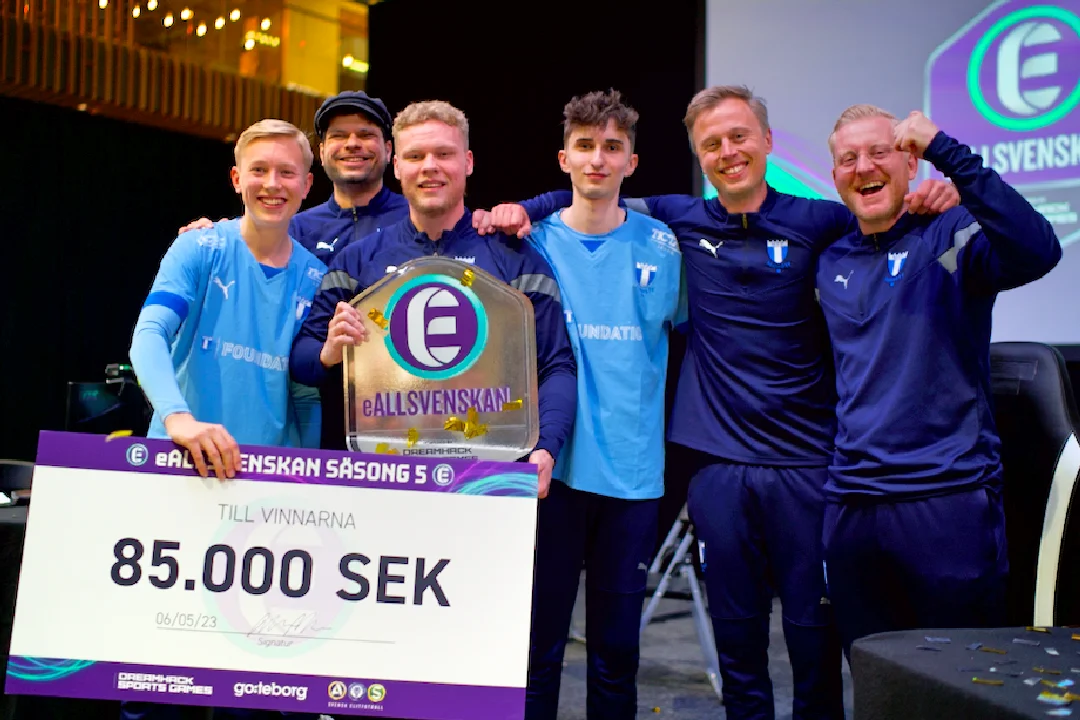
Aep at eAllsvenskan

Challenges worth knowing about
‍
Like any activity, gaming comes with areas where young people often benefit from guidance. These aren’t inherent dangers, just things to be aware of and navigate together.
‍
Health and lifestyle balance: long sessions can affect sleep, mood, energy and daily routines if left unstructured. Physical activity and time outdoors matter alongside screen time.

Social and emotional risks: online environments can expose young people to toxic communication, harassment or pressure to perform. In-game spending and social comparison can also become sources of stress.
‍
‍The goal isn't to limit gaming. It’s to help young people build a healthy relationship with it.

How you can support them

Open communication is one of the most powerful tools any adult has.
You don’t need to be a gamer yourself, you just need to be curious and present.

Show genuine interest: ask what they play, who they play with and why they enjoy it, just as you would with any other hobby they cared about.

Create balance together: talk about sleep, school, exercise, social life and gaming, and plan the week as a team rather than setting rules from the outside.

Join them sometimes: playing a game together, or simply watching them play, builds understanding and trust in a way that rules alone never can.

Stay informed about online environments: learn about parental controls, in-game purchases and how online communication works, and talk openly about what feels safe and what doesn’t.

Talk about feelings, not only rules: discuss motivation, stress, peer pressure, performance anxiety and dreams, and help them set healthy expectations for themselves.

Keep the door open: listen without judging, and encourage them to come to you if something online feels uncomfortable or overwhelming.

Encourage variety and rest: physical activity, family time, time outdoors and non-screen hobbies all support well-being and, perhaps surprisingly, gaming performance too.

Curious to learn more about what esport psychology actually is? Read more on our About Esport Psychology page.

How AEP can help

At AEP we work directly with young gamers, their families, schools and organizations, helping everyone involved feel more informed, confident and connected. We offer workshops and lectures for parents and educators, individual consultations, and broader programs for schools and youth organizations that want to take gaming seriously as part of young people’s development.

Whether you’re a teacher, school counselor, coach or youth worker who wants to support the young people in your care, or a parent who simply wants to understand your child’s world a little better, we’d love to talk. You don’t need to have all the answers before reaching out. Bring your questions, and we’ll take it from there.

Reach Out!